

Table of Contents
- How Often Do Clearance Items Restock Across Retail
- Clearance vs Sale Items: Understanding the Difference
- When Do Stores Mark Down Clearance Merchandise
- Restocking Schedules: Department-by-Department Breakdown
- How to Find Hidden Clearance Deals and Track Restocks
- Online vs In-Store Clearance Inventory Synchronization
- The Return-to-Shelf Lifecycle and Its Impact on Availability
- Conclusion
Last Updated: August 27, 2026
How Often Do Clearance Items Restock Across Retail
When you're hunting for deals, timing is everything. Clearance items restock on unpredictable schedules that vary wildly depending on the retailer, the product category, and what's driving the clearance in the first place. The reality is this: clearance items restock differently than regular inventory. A department store might replenish clearance racks daily, while an online retailer updates its clearance section weekly. The key is understanding the mechanics behind those timelines so you can shop strategically instead of hoping you'll stumble onto something good.
Most retailers follow predictable patterns, even if they're not immediately obvious. Seasonal rotations, overstock liquidation, and return processing all feed into the clearance cycle. Once you recognize these patterns, you'll know exactly when to check back, and which sections to prioritize.
Clearance vs Sale Items: Understanding the Difference
Clearance items are discontinued merchandise or overstock that retailers need to move quickly. Sale items, by contrast, are part of a planned promotional event where the retailer temporarily reduces prices on items they intend to keep in inventory.
The distinction matters because it changes the restocking timeline entirely. A sale item might come back in stock multiple times during the promotional period. Clearance merchandise rarely does. Once it sells through, it's gone, the retailer has no intention of reordering it.
Clearance typically represents one of three scenarios: the item is being discontinued, the store is clearing seasonal inventory to make room for the next season, or the item is overstock that didn't sell at regular price. Sale items, meanwhile, are usually full-price merchandise temporarily discounted to drive traffic or clear specific quantities before a new shipment arrives.
Understanding this difference changes how you approach shopping. With sales, you can wait for the next promotional cycle if you miss the current one. With clearance, if you don't buy it now, someone else will, and the next restock might not happen for weeks, if ever. This is why clearance sections move so quickly and why tracking restocks becomes crucial.
When Do Stores Mark Down Clearance Merchandise
Retailers mark down items through a structured markdown cycle that typically follows a predictable pattern. The first markdown happens when an item enters clearance status, usually 20-30% off the original price (nrf.com). If the item doesn't sell within a set timeframe (often two to four weeks), the retailer applies a second markdown, typically bringing the discount to 40-50% off (nrf.com). A third markdown might follow, pushing discounts to 60-70% off or higher.
The timing of these markdowns depends on the retailer's inventory management system and how aggressively they need to clear stock. Some retailers use point-of-sale data to automatically trigger markdowns when items reach a certain age or when they need to free up backroom inventory space. Others follow a calendar-based schedule, marking down merchandise on specific days each week.
Most major retailers implement their markdown cycles on the same days each week. Many use Tuesday or Wednesday as their primary markdown day, though this varies. Some retailers mark down merchandise daily or multiple times per week. The pattern often correlates with when they receive new inventory, if a store gets new shipments on Monday, they might mark down slower-moving items on Wednesday to make shelf space.
Seasonal Clearance Cycles
Seasonal merchandise follows the most predictable clearance schedule. Winter coats hit clearance in February or March (nrf.com). Summer items clear in August or September. Back-to-school merchandise gets marked down starting in late August. Holiday decorations and gift items begin clearance in early January.
The exact timing depends on when retailers expect seasonal demand to drop. They start the markdown process before demand completely disappears, not after. This means you'll see winter clearance starting while it's still cold out, the retailer is already preparing for spring inventory. This is actually good news for deal hunters: you can often find seasonal items at deep discounts while the season is still relevant.
Seasonal clearance cycles are the most reliable restocking pattern. Because the timing is predictable, retailers often restock clearance sections multiple times during the seasonal transition. A winter coat section might get fresh markdowns every few days as new items enter clearance status. The inventory keeps flowing until the season truly ends.
Overstock and Discontinued Merchandise
Overstock clearance happens when a retailer ordered too much inventory and needs to move it quickly. This often occurs after major sales events or when a seasonal item didn't sell as well as expected. Discontinued merchandise clearance happens when a retailer decides to stop carrying a product line or when a vendor stops making an item.
Both situations create clearance inventory that doesn't follow seasonal patterns. Overstock might appear suddenly when a retailer decides to clear warehouse space. Discontinued items might linger in clearance for weeks or months if the retailer isn't aggressive about marking them down. The restocking pattern depends entirely on how much stock the retailer has and how motivated they are to clear it.
Overstock clearance often sees the most aggressive restocking because retailers want to move large quantities quickly. A retailer with 500 units of overstocked merchandise might mark down and restock clearance sections daily until the quantity drops to manageable levels. Once the overstock is mostly gone, restocking frequency drops significantly.
Restocking Schedules: Department-by-Department Breakdown
Different product categories follow different restocking timelines based on how quickly they typically sell and how much inventory retailers maintain.
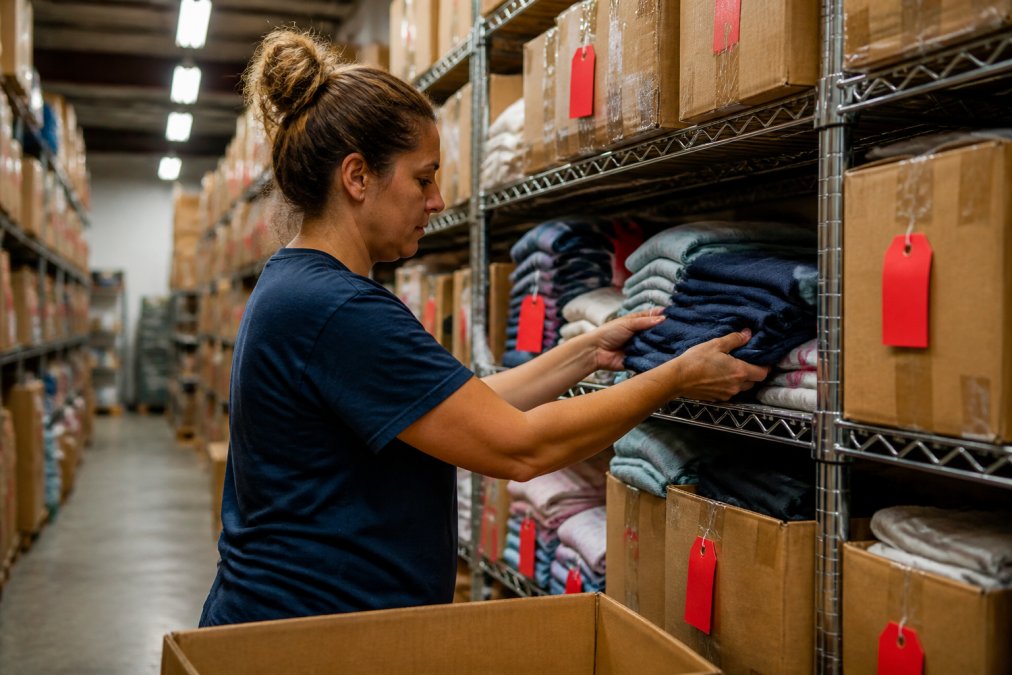
Apparel and Footwear restock clearance sections frequently, often multiple times per week. These categories have high turnover and large quantities of seasonal merchandise. A clearance shoe section might see new markdowns added daily as inventory rotates. Fashion items move quickly once marked down, so retailers replenish clearance racks regularly to maintain selection. You'll find the best timing is typically mid-week, when stores have processed weekend sales and added new markdowns.
Home and Seasonal Goods follow more predictable weekly schedules. Clearance home décor, bedding, and seasonal items typically restock on set days, often Tuesday through Thursday. These categories don't turn as quickly as apparel, so retailers space out their markdowns more deliberately. Restocking happens less frequently but with larger quantities added at once.
Electronics and Small Appliances have sporadic clearance restocking tied to new product releases and inventory clearance events. When a new phone model launches, older models hit clearance. When a retailer decides to discontinue a small appliance, it moves to clearance all at once. Restocking depends on when new inventory arrives and when the retailer wants to clear shelf space.
Grocery and Perishables operate on their own timeline entirely. Clearance perishable goods restock daily or multiple times daily as items approach expiration dates or go out of season. Non-perishable grocery clearance follows a different pattern, typically restocking weekly or as inventory management systems flag slow-moving items.
Pet Supplies restock clearance sections based on seasonal demand and overstock situations. Pet food and supplies have relatively consistent demand, so clearance sections don't see the dramatic seasonal swings that apparel does. However, seasonal pet items (like cooling mats in summer) follow seasonal clearance patterns. Restocking typically happens weekly, sometimes more frequently if overstock needs to be cleared quickly.
How to Find Hidden Clearance Deals and Track Restocks
The most effective strategy is to visit clearance sections at consistent times and track patterns yourself. Most retailers don't publish their restocking schedules, so you need to become familiar with how each store operates.
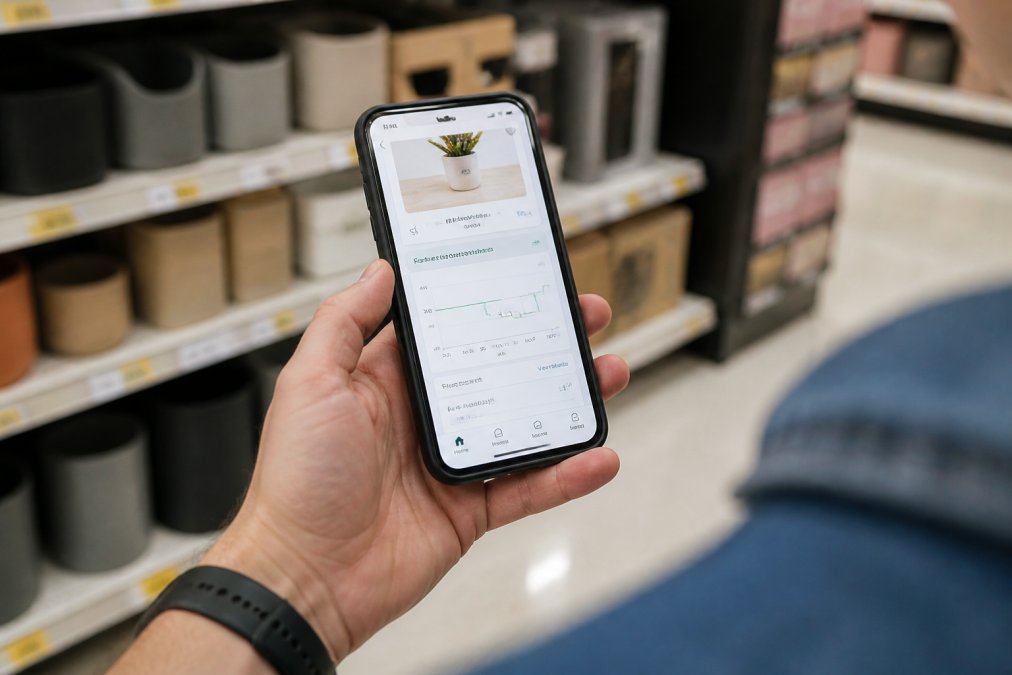
Start by visiting clearance sections on the same day each week for two to three weeks. Track what items are marked down, what prices they're at, and whether those same items appear again the following week. You'll quickly identify the pattern. Many retailers restock clearance on specific days, often mid-week when they've processed weekend sales and prepared new markdowns.
Check clearance sections early in the day if possible. Popular items sell out quickly, and early shoppers have first pick. Late afternoon restocking means items added that morning might already be picked over by evening. If you can only shop in the evening, go on restocking days specifically, since you'll have access to freshly marked-down merchandise.
Use the retailer's app or website to check inventory status if available. Many retailers now offer online inventory checking, showing whether an item is in stock and sometimes showing clearance pricing. This lets you identify what's in clearance without visiting the store. Some retailers show online-only clearance sections that differ from in-store clearance, so check both.
Ask store associates about upcoming markdowns if you're looking for something specific. They often know when major clearance events are scheduled and which items are likely to be marked down soon. This insider knowledge can help you time your shopping strategically.
Join retailer loyalty programs that send clearance notifications. Many retailers email clearance deals to loyalty members before releasing them to the general public. These emails often coincide with restocking days, giving you advance notice of what's being marked down.
Online vs In-Store Clearance Inventory Synchronization
Online and in-store clearance inventory often operate on completely different schedules, which creates opportunities for deal hunters who understand the differences.
Many retailers maintain separate clearance sections online and in physical stores. Online clearance might update daily while in-store clearance restocks weekly. This means you could find a clearance item online that hasn't hit store shelves yet, or vice versa. Understanding this gap helps you find deals others miss.
Some retailers use their online clearance section as a dumping ground for excess inventory. They'll mark items down more aggressively online than in stores because they want to clear warehouse space quickly. This means online clearance often has deeper discounts but less variety. In-store clearance might have fresher markdowns but smaller discounts because the retailer isn't under the same pressure to clear physical shelf space.
The synchronization issue also affects availability. An item marked down online might be available for in-store pickup, but the store's physical clearance section won't have it yet. The inventory exists in the distribution center, not on the sales floor. Ordering online for in-store pickup sometimes gives you access to clearance items before they hit the clearance racks.
Returns also complicate synchronization. When customers return items, they often go to a return processing area rather than directly back to clearance. This creates a lag between when an item is returned and when it reappears in inventory. Some retailers restock returned items to regular inventory if they're in good condition. Others send them to clearance or liquidation. The timing varies, affecting both online and in-store availability.
The Return-to-Shelf Lifecycle and Its Impact on Availability
Understanding how returned items cycle through the system explains why clearance inventory seems to appear and disappear unpredictably.
When a customer returns an item, it enters a return processing workflow. The retailer inspects it, determines whether it can be resold, and decides where it goes next. Items in perfect condition typically return to regular inventory. Items with minor damage or packaging issues often go to clearance. Items with significant damage go to liquidation or are destroyed.
This return processing takes time, often two to four weeks. During this period, the returned item isn't available for sale anywhere. Once processing is complete, the item enters its next destination. A returned item that goes to clearance might not appear in the clearance section for several weeks after the original return.
The volume of returns fluctuates seasonally. After major shopping events like holidays or back-to-school season, return volumes spike. This creates a surge in return-processed inventory entering clearance sections several weeks later. Understanding this lag helps you anticipate when clearance sections will be restocked with returned merchandise.
Some retailers use their return processing data to inform inventory management. If returns of a particular item are high, they might mark down remaining inventory more aggressively to avoid accumulating more returns. This creates clearance opportunities for items that didn't sell well initially and are being returned frequently.
The return-to-shelf lifecycle also explains why you sometimes see items in clearance that you could have sworn you saw at regular price recently. That item might have been returned, processed, and sent to clearance. Or it might be overstock that was being held in the backroom and just entered the clearance cycle.
| Clearance Scenario | Typical Restocking Frequency | Restock Timing | Best Shopping Time |
|---|---|---|---|
| Seasonal merchandise | 3-5 times per week | Mid-week (Tue-Thu) | Early morning or early week |
| Overstock clearance | Daily to multiple times weekly | Varies by retailer | Immediately after restock |
| Discontinued items | Weekly or less frequent | Varies widely | Check consistently |
| Returned merchandise | Weekly, with 2-4 week lag | After return processing | Mid-week typically |
| Perishable goods | Daily or multiple times daily | Throughout the day | Early in the day |
| Seasonal overstock | 2-3 times per week | Mid-to-late week | Mid-week mornings |
Finding deals requires understanding how clearance inventory actually works. Clearance items restock on schedules that depend on the product category, the reason for clearance, and the retailer's inventory management practices. Seasonal merchandise follows predictable patterns. Overstock clears aggressively. Returned items enter the clearance cycle weeks after the original return. Online and in-store clearance operate on different timelines.
The most successful deal hunters recognize these patterns and shop strategically. Visit clearance sections consistently to identify restocking days. Check retailer apps for inventory status. Join loyalty programs for advance notice. Understand that online and in-store clearance aren't synchronized, creating opportunities to find items at different discount levels.
At Bargain Warriors LLC, we help you navigate these inventory patterns so you can find the best clearance deals on women's fashion accessories, footwear, pet supplies, and seasonal items. Understanding when clearance items restock transforms you from a casual browser into a strategic shopper who knows exactly when and where to find the deals that matter. The information you need is out there, you just need to know how to track it.
Frequently Asked Questions
Q: Do clearance items come back in stock?
A: Clearance items rarely return to full stock. Once marked down, they follow a liquidation path toward final sale or removal. However, retailers sometimes receive similar items in new seasons or colors. Check back during seasonal rotations, but don't expect the exact same clearance item to reappear. Availability may vary by location.
Q: What's the difference between a sale item and a clearance item?
A: Sale items are intentionally discounted for a limited time and typically restock regularly. Clearance items are marked down to move excess inventory, discontinued stock, or overstock, they don't restock once sold. Sales are part of planned promotions; clearance is a final effort to clear space. Understanding this distinction helps you decide whether to buy now or wait for restocks.
Q: How often do major retailers mark down clearance inventory?
A: Most retailers perform clearance markdowns as part of their inventory management cycle. Seasonal transitions (end of summer, winter, spring) often trigger aggressive clearance events. Perishable goods clear faster, while general merchandise follows longer cycles. The markdown cadence depends on overstock levels, vendor agreements, and point-of-sale data showing which SKUs aren't moving.
Q: Is it better to buy clearance items now or wait for further markdowns?
A: Clearance items typically receive additional markdowns before final liquidation. If an item is marked 30-50% off, waiting may yield deeper discounts. However, popular sizes, colors, or styles sell quickly and won't return. For essentials or items you know you'll use, buy at the first clearance price. For trendy pieces, monitor the item, if it stays in stock after a couple of weeks, another markdown is likely coming.
This article was written using GrandRanker