

Table of Contents
- Why Authentication Matters When Shopping Discounted Fashion
- How to Spot Fake Designer Clothes Before You Buy
- Best Online Discount Luxury Retailers for Authentic Goods
- Finding Affordable Women's Footwear for Daily Wear
- Step-by-Step Authentication Verification Protocol
- Common Mistakes to Avoid When Bargain Hunting
- Tools and Resources for Price Tracking and Verification
- Conclusion
Why Authentication Matters When Shopping Discounted Fashion
The biggest risk with discounted fashion isn't the price, it's whether what you're buying is actually real. Counterfeit designer goods flood online marketplaces, and the gap between authentic discounted items and fakes has narrowed to the point where casual inspection won't cut it. When you're hunting for authentic discounted fashion, authentication becomes your first line of defense against wasting money on knockoffs that fall apart in weeks.
Bargain Warriors LLC understands this concern because it's the question we hear most often from budget-conscious shoppers. Counterfeit operations have become sophisticated, replicating packaging, mimicking serial numbers, and sourcing materials that pass a quick glance. But specific, verifiable markers separate legitimate discounted pieces from fakes. Learning to spot these differences means you can confidently shop for deals without anxiety.
Authentication matters because it directly impacts your total cost of ownership. A $40 counterfeit shoe that falls apart after two weeks costs you more per wear than a $120 authentic pair on clearance that lasts two years (peer-reviewed research). Authentic items hold their value, maintain their structure, and justify their price through durability. Counterfeits don't.
How to Spot Fake Designer Clothes Before You Buy
Spotting counterfeit designer clothing requires systematic examination of specific details that counterfeiters struggle to replicate perfectly. Most fakes fail on at least one of three fronts: hardware quality, stitching precision, or material composition.
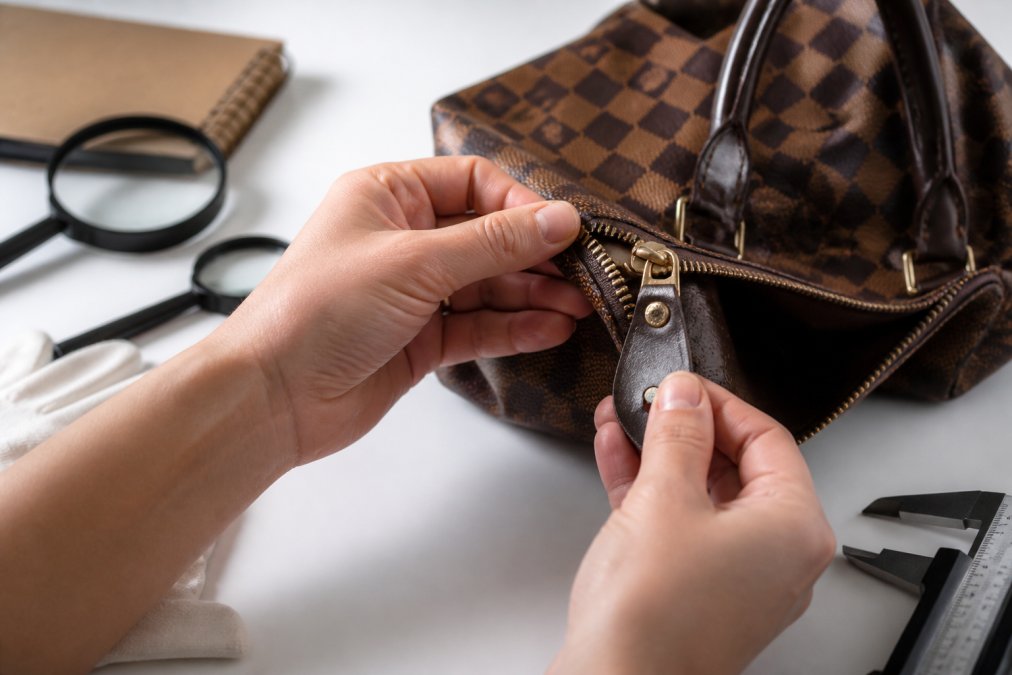
Serial Numbers and Hardware Inspection
Every authentic designer piece carries specific identifying markers. Serial numbers should be consistent with the brand's formatting system, engraved (not printed) onto metal plates, and positioned exactly where the brand places them (the American Academy of Dermatology). Counterfeiters often get the spacing wrong, use incorrect fonts, or place numbers in slightly off locations.
Hardware inspection is equally critical. Authentic designer hardware uses specific metal alloys, weights, and finishes. Zippers should feel smooth and weighted; cheap zippers feel flimsy and often jam. Buttons should have consistent weight and finish. Logo engravings on hardware should be crisp and deeply etched, not shallow or blurry. Authentic hardware feels substantial; counterfeit hardware often feels hollow or lightweight.
Check for consistency in serial number formatting across the piece. If a bag has multiple logos or labels, they should all align perfectly. Misalignment is a red flag. Authentic brands maintain strict manufacturing standards.
Material Composition and Stitching Quality
Designer brands use specific materials sourced from premium suppliers. Leather should feel supple and smell authentic, not plastic or chemical-heavy. The grain pattern should be consistent with the brand's specifications. Counterfeits often use lower-grade leather or synthetic materials that feel stiff or waxy.
Stitching quality separates authentic pieces from fakes more reliably than almost anything else. Authentic designer stitching is perfectly even, with consistent tension and spacing. Threads are high-quality and match the material color precisely. Seams are reinforced where stress occurs. Counterfeits frequently show uneven stitching, loose threads, or visible knots. Look at seams under good lighting; authentic pieces show meticulous craftsmanship.
Fabric weight and drape matter too. Designer clothing uses specific fabric weights and blends that create particular drape characteristics. Feel the weight in your hands and compare how it moves.
Brand Heritage and Packaging Details
Authentic designer pieces come with specific packaging that reflects brand standards. Boxes should be sturdy with proper printing quality. Tags should be sewn correctly with specific label designs. Dust bags should feel substantial and carry brand logos precisely positioned.
The details on authenticity cards, hang tags, and care labels are often where counterfeits slip up. Font sizes, spacing, and material quality should match what the brand uses. If something feels off about the packaging, like printing that seems fuzzy or tags that don't align properly, it's worth investigating further.
Best Online Discount Luxury Retailers for Authentic Goods
Finding authentic discounted fashion online requires shopping from verified sources that maintain strict authentication standards. Not all discount retailers are equal; some conduct thorough verification processes while others move inventory too quickly to verify authenticity properly.
Verified Sellers and Marketplace Platforms
Verified seller status on major marketplaces provides baseline protection. Look for sellers with long track records, thousands of positive reviews specifically mentioning authenticity, and clear return policies. The best sellers provide multiple high-quality photos, detailed descriptions of condition, and transparent disclosure of any flaws.
Marketplace platforms that specialize in authenticated goods typically employ authentication teams that inspect items before they ship. This added verification step costs money, reflected in slightly higher prices, but the protection is worth it. These platforms maintain databases of known counterfeiters and actively remove fraudulent listings.
When evaluating a seller, check their response time to questions and willingness to provide additional photos. Legitimate sellers answer detailed authentication questions quickly because they're confident in their inventory. Sellers who get defensive or vague about specific details are often hiding something.
Consignment and Pre-Owned Luxury Markets
Consignment stores, both physical and online, often provide better authentication than general discount retailers because their reputation depends on accuracy. High-end consignment operations employ authentication experts and typically refuse inventory they can't verify. They carry liability for selling counterfeits, creating strong incentive to be thorough.
Pre-owned luxury markets operate on similar principles. Sellers who specialize in authenticated pre-owned designer goods build their entire business model around trust. They can't afford authentication failures because one major incident tanks their reputation. This creates a natural quality control mechanism.
The trade-off is selection and speed. You won't find the exact item immediately, but available items have been vetted by professionals. Prices reflect this verification; you'll pay more than buying from an unknown seller, but less than retail.
Finding Affordable Women's Footwear for Daily Wear
Women's footwear represents one of the biggest opportunities in authentic discounted fashion because the market is massive and inventory turns over quickly. Shoes also have specific authentication markers that are easier to verify than clothing.
Seasonal Clearance and Flash Sale Timing
Seasonal clearance events follow predictable patterns. Winter footwear clears in February and March. Spring shoes clear in May and June. Summer inventory moves in August and September. Fall pieces clear in November. Knowing these windows helps you time your shopping for maximum discounts.
Flash sales happen year-round but are most aggressive during back-to-school season (July-August) and holiday periods (October-November). Retailers need to clear inventory before new seasons arrive, which is when authentic discounts are deepest.
The key is patience. If you see a shoe you like at 30% off in July, wait until August when clearance typically goes deeper. Most retailers discount in waves: initial markdowns of 20-30%, followed by 40-50%, then final clearance at 60-70%. Shopping at the final clearance stage requires flexibility, but the savings are substantial.
Price-to-Value Ratio and Quality Craftsmanship
Not all discounted footwear offers good value. A $30 shoe that falls apart after three months is more expensive per wear than a $90 shoe that lasts three years. Calculate the actual cost per wear by dividing the price by estimated wearable lifespan.
Quality craftsmanship indicators in women's footwear include consistent stitching throughout, reinforced stress points (heel, toe, sole attachment), and substantial sole material. Press on the sole; it should feel firm, not squishy. Quality construction resists flexing in ways that cheap shoes don't.
Brand heritage matters too. Established brands with decades of reputation maintain quality standards even on discounted pieces. Research the brand's typical construction standards before committing to a purchase.
Step-by-Step Authentication Verification Protocol
Use this systematic approach every time you consider purchasing discounted designer items. The protocol takes 15-20 minutes but prevents costly mistakes.
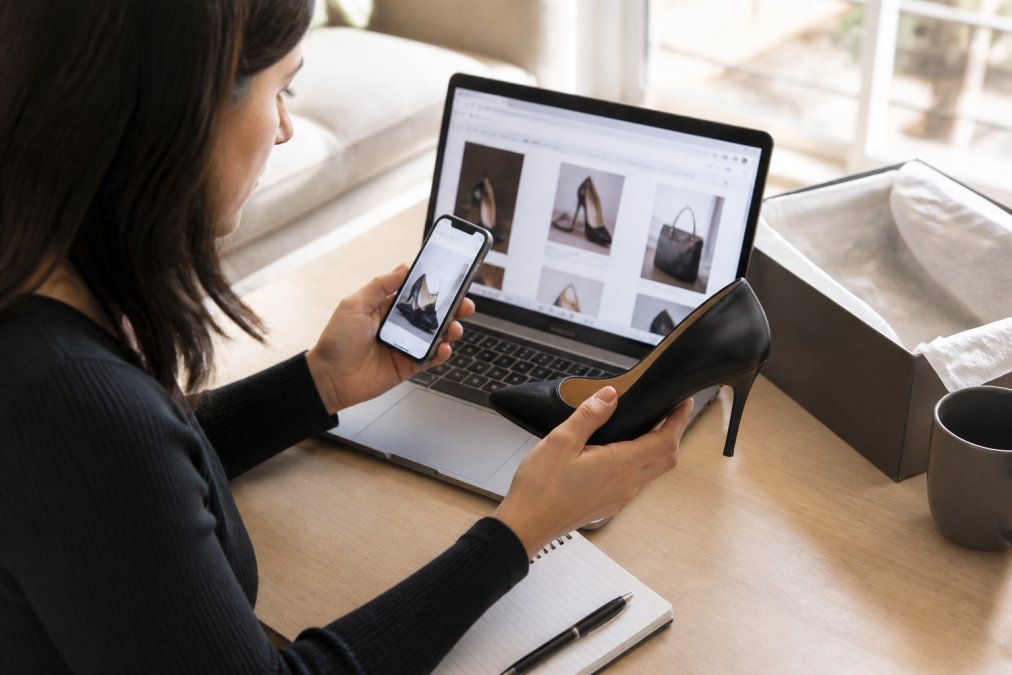
Step 1: Research the Brand's Authentic Features
Before examining any specific item, establish your baseline knowledge. Visit the official brand website and study product photos of the exact item you're considering. Note specific details: hardware finishes, stitching patterns, logo placement, material descriptions, and packaging style. Take screenshots of authentic examples for comparison.
Search the brand's official social media accounts for product photos. This research builds your visual reference library in about 5 minutes.
Step 2: Examine Photos and Seller Credibility
Request high-quality photos from the seller showing the item from multiple angles, including close-ups of hardware, stitching, logos, and tags. Compare the seller's photos against your authentic reference photos.
Check the seller's history. How long have they been selling? What's their review history? Do previous buyers mention authenticity? Read reviews carefully for specific details about construction quality.
Ask the seller direct questions about the item's provenance: Where did they acquire it? Has it been worn? Any flaws? Legitimate sellers answer specifically. Evasive answers are warning signs.
Step 3: Verify Price Against Retail Standards
Research the item's original retail price. Authentic discounted designer goods typically sell for 40-70% below retail, depending on condition and availability (the FTC). If the price seems too low relative to the original retail price, investigate further.
Cross-reference prices across multiple verified sellers. If one seller offers the same item at 50% below market rate, that's suspicious. Legitimate discounts follow market patterns. Outliers warrant skepticism.
Consider condition and age. Older seasonal inventory commands deeper discounts than recent releases. Used items cost less than new. These factors explain legitimate price variations.
Step 4: Request Detailed Images and Documentation
Ask for close-up photos of authentication tags, serial numbers, and any identifying marks. Request photos showing the item's overall condition, including any wear. Ask about the item's origin: department store clearance, brand outlet, consignment, or personal collection.
For high-value purchases, request photos of packaging and all original documentation. Legitimate sellers have these items available and accommodate reasonable requests.
If the seller resists providing detailed information or becomes defensive, move on. The authentication process requires transparency.
Common Mistakes to Avoid When Bargain Hunting
Most people make predictable errors when shopping for authentic discounted fashion. Recognizing these patterns prevents expensive missteps.
The biggest mistake is assuming price alone indicates authenticity. Price is one data point, not the determining factor. Verify independently.
Second mistake: trusting visual inspection alone. A counterfeit that's 90% accurate can fool quick examination. Examine multiple authentication markers systematically.
Third mistake: ignoring seller reputation. A great deal from an unknown seller carries risk. Established sellers with long track records offer better odds. The small price premium is worth the reduced risk.
Fourth mistake: overlooking return policies. Before purchasing, confirm the seller accepts returns for authenticity issues. Some sellers offer no returns on discounted items. That policy is a major red flag.
Fifth mistake: rushing the decision. Authentic discounted fashion opportunities recur regularly. If you're uncertain about an item, wait. Another similar piece will surface.
Tools and Resources for Price Tracking and Verification
Browser extensions that track price history show whether a current discount is genuine or inflated baseline pricing. These tools reveal which sellers consistently maintain lowest prices.
Online communities dedicated to specific brands maintain detailed authentication guides. These forums connect experienced collectors who've spent years learning brand-specific details. Lurking in these communities provides free education about authentication standards.
Reverse image search tools help verify seller photos. Upload a seller's product photo to Google Images or TinEye to see where else that image appears online. If the same photo appears on the official brand website and multiple seller sites, that's a good sign.
Authentication apps created by specific brands provide official verification tools. Brands like Gucci and Louis Vuitton offer apps that verify items using QR codes or serial numbers. Check whether your target brand offers this service.
Shopping for authentic discounted fashion requires systematic verification, but the payoff justifies the effort. Counterfeits cost more per wear than authentic pieces because they don't last. By learning to authenticate items and shopping from verified sources, you access genuine designer goods at prices that actually make sense. Bargain Warriors LLC connects you with authenticated discounted inventory and provides the tools you need to verify every purchase with confidence. Shop smart, verify thoroughly, and step out in style without the premium price tag.
Frequently Asked Questions
Q: How can I tell if a designer item is authentic when buying online?
A: Check the serial numbers and hardware first, authentic designer goods have consistent, properly engraved markings. Examine stitching quality, material composition, and packaging details. Compare the item's weight and feel against authentic examples from the brand's official website. Request high-resolution photos from the seller showing all angles, tags, and serial numbers. Verify the seller's reputation and return policy. If the price seems unusually low compared to retail standards, research why, legitimate discounts exist, but counterfeit prices are often suspiciously cheap.
Q: What are the best online discount luxury retailers for authentic goods?
A: Look for established platforms with verified seller programs and authentication guarantees. Consignment marketplaces specializing in pre-owned luxury items often provide detailed authentication documentation. Outlet shopping through official brand websites or authorized discount retailers ensures authenticity. Check seller ratings and reviews before purchasing. Avoid unknown marketplaces without seller verification systems. Many legitimate luxury resale platforms employ third-party authentication experts to inspect items before listing, adding an extra layer of protection for your purchase.
Q: How do I avoid counterfeit fashion when shopping for discounts?
A: Buy from authorized retailers, official outlet stores, and verified sellers with strong track records. Counterfeit products often appear on unregulated marketplaces, so prioritize platforms with authentication protocols. Be skeptical of prices that seem too good to be true, authentic designer markdowns rarely exceed 70% off retail. Check the seller's return policy; counterfeit sellers often restrict returns. Research the brand's authentic features before shopping. When in doubt, contact the brand directly to verify if a seller is authorized. Trust your instincts about seller credibility and communication professionalism.
Q: Where can I find extreme clearance deals on authentic fashion without compromising quality?
A: Monitor seasonal clearance events and flash sales at established retailers. Consignment stores and second-hand luxury platforms often offer significant discounts on authentic pre-owned items. Sign up for email alerts from authorized outlet retailers to catch exclusive deals. Thrift stores occasionally stock quality designer pieces at fraction of retail prices. Use price-tracking tools to monitor discounts across multiple retailers. End-of-season sales typically offer the deepest markdowns on authentic inventory. Join loyalty programs at trusted retailers to access early sale notifications and member-only discounts on discounted inventory.
This article was written using GrandRanker