

Table of Contents
- Why Spotting Authentic Discount Fashion Matters
- Step 1: Examine Stitching and Craftsmanship
- Step 2: Verify Labels, Tags, and Serial Numbers
- Step 3: Assess Material Quality and Check Hardware
- How to Tell If an Online Clothing Store Is Legit
- Signs of Counterfeit Clothing to Reject Immediately
- Consumer Protection Against Counterfeit Fashion
- Frequently Asked Questions
Last Updated: September 1, 2026
Why Spotting Authentic Discount Fashion Matters
Counterfeit fashion is a multibillion-dollar problem that affects everyone from budget shoppers to luxury enthusiasts (unodc.org). When you're hunting for deals on designer-inspired or authentic branded items, the line between genuine discount and knockoff can blur fast. Learning how to spot authentic discount fashion protects your wallet, your wardrobe, and your peace of mind.
The stakes are real. A fake handbag or pair of shoes doesn't just look wrong after a few weeks, it falls apart. The stitching unravels. The leather cracks. The hardware tarnishes. You end up throwing away money instead of saving it. Beyond the personal frustration, buying counterfeit goods funds criminal operations and harms legitimate businesses.
At Bargain Warriors LLC, we understand that value shopping shouldn't mean gambling on authenticity. Discount fashion is entirely legitimate when you know what to look for. This guide walks you through the exact verification techniques that separate real deals from fakes, helping you shop with confidence whether you're browsing online marketplaces or visiting thrift stores.
Step 1: Examine Stitching and Craftsmanship
The quality of stitching is one of the fastest ways to separate authentic discount fashion from counterfeits. Genuine items, even discounted ones, maintain consistent craftsmanship standards.
Real stitching is tight, even, and follows straight lines. The thread color matches the garment or is intentionally contrasting for design purposes. Seams don't have loose threads hanging off. The number of stitches per inch is consistent throughout the piece. When you run your finger along a seam, it feels smooth and secure.
Counterfeit stitching often shows obvious flaws. Threads are loose or bunched. Lines wander or look crooked. You'll spot inconsistent stitch spacing, tight in one section, loose in another. The thread color might not match properly, suggesting rushed manufacturing. Many fakes use cheaper thread that frays easily or looks dull compared to authentic versions.
Pay special attention to high-stress areas: armholes, pocket edges, hem lines, and where straps attach. These sections take the most abuse, so manufacturers invest in quality stitching here. A counterfeit item often cuts corners on these critical joints. Look inside the garment too. Authentic pieces have neat interior seams. Knockoffs frequently have messy, unfinished interiors with dangling threads and poor construction.
The craftsmanship tells a story about where the item was made and how seriously the manufacturer takes quality. Authentic discount items are often overstock or previous-season inventory from legitimate factories. They meet the same production standards as full-price versions. Counterfeits come from unlicensed factories with no quality control.
Step 2: Verify Labels, Tags, and Serial Numbers
Labels and tags reveal enormous amounts of information about authenticity. Every legitimate brand has specific standards for how their labels look, where they're placed, and what information they contain.
Examine the main brand label first. The font should be crisp and perfectly aligned. Authentic labels use high-quality printing or embroidery. The lettering is consistent in weight and spacing. Counterfeit labels often have fuzzy lettering, misaligned text, or printing that looks smudged or uneven. Check if the label is sewn in straight. Authentic items have labels stitched with precision. Fakes frequently have labels that are crooked, sewn loosely, or attached haphazardly.
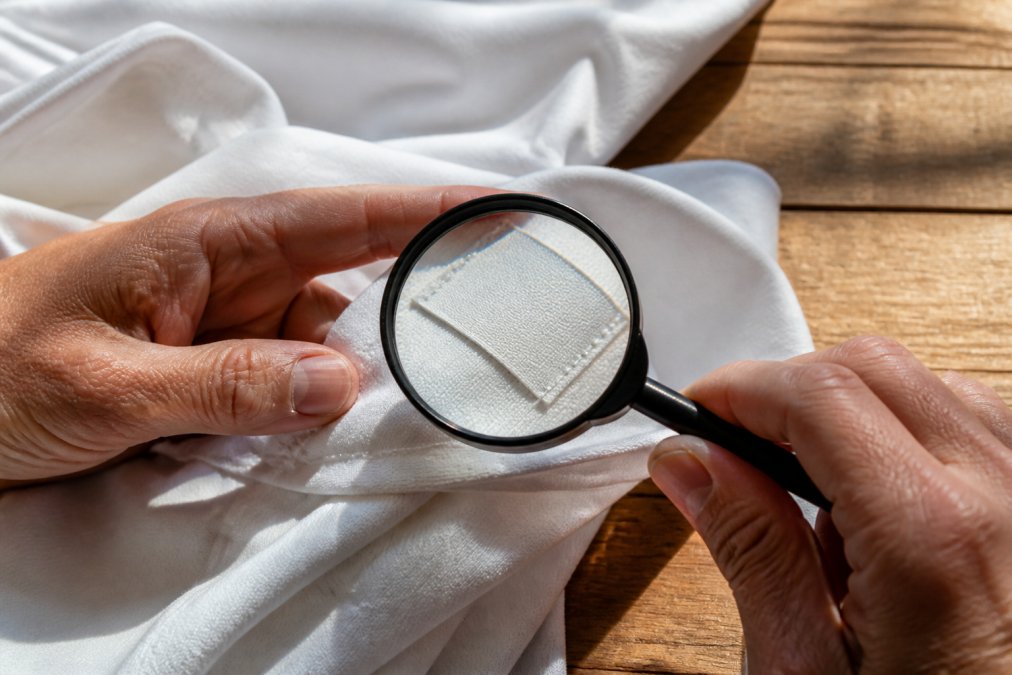
Look for serial numbers or product codes. Legitimate brands include these identifiers for inventory tracking and authentication. The serial number should match records you can verify through the brand's website or customer service. Counterfeiters rarely include functional serial numbers, if they do, the numbers won't match official databases.
Care labels contain specific information about fabric content and washing instructions. Authentic labels list exact percentages of materials. Fake labels often have vague descriptions like "synthetic material" or missing percentages entirely. The printing on care labels should be clear and permanent. Counterfeit care labels sometimes fade easily or have printing that looks cheap.
Check the placement of all tags. Brands have consistent locations for main labels, care labels, size tags, and security tags. If tags are in unusual positions or missing entirely, that's a warning sign. Legitimate discount items still have all original tags unless they're specifically marked as "final sale" or "as-is."
Step 3: Assess Material Quality and Check Hardware
The feel of authentic fashion is unmistakable once you know what to look for. Real leather feels supple and has natural variation in texture. Genuine fabric has weight and drape. Faux leather on counterfeits feels plasticky and stiff. Low-quality synthetics feel thin and cheap.
Run your hands across the material. Authentic items have consistent texture throughout. Counterfeits often have patchy or uneven material quality. Real leather develops a patina over time and shows character. Fake leather cracks, peels, or discolors unevenly.
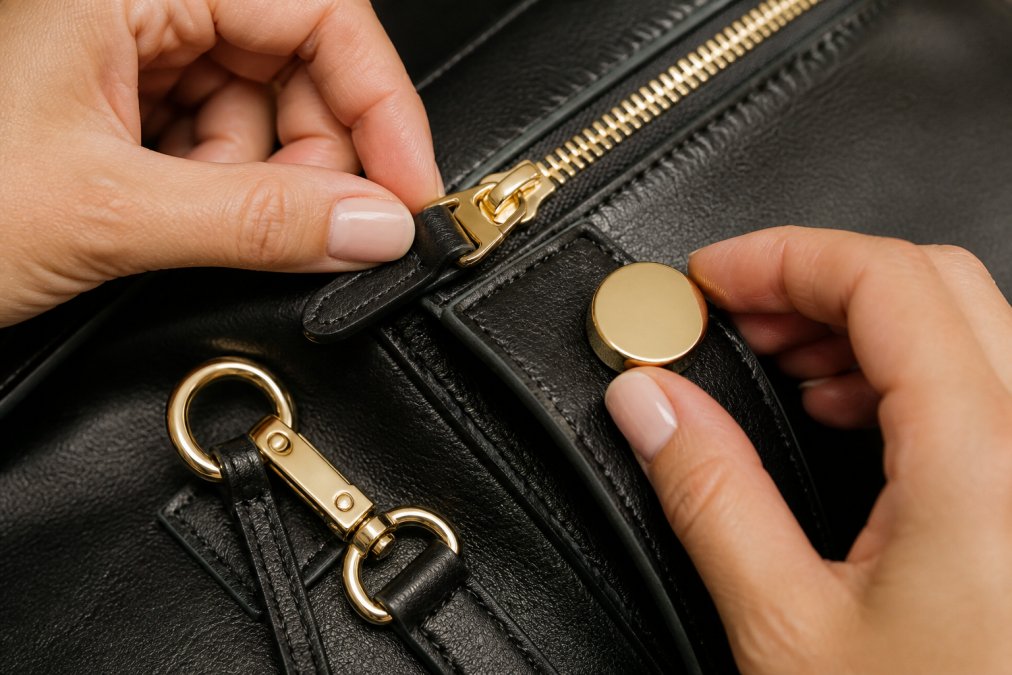
Hardware, zippers, buttons, clasps, and metal accents, separates authentic from fake instantly. Real hardware is substantial and feels heavy. Zippers glide smoothly without catching. Buttons are securely attached and have consistent weight. Metal hardware has a quality finish without scratches, rough edges, or cheap-looking plating.
Counterfeit hardware is often the weakest point. Zippers jam or stick. The slider feels flimsy. Buttons are glued rather than sewn and fall off easily. Metal hardware looks thin, has uneven plating, or shows obvious defects. The finish might be dull or discolored. Check the underside of metal pieces, authentic hardware has consistent finish. Fakes often show raw metal underneath cheap plating.
Examine how hardware is attached. Authentic items use proper fasteners and secure mounting. Counterfeits glue hardware on or use cheap fasteners that corrode quickly. If you can wiggle a button or zipper slider easily, that's a red flag.
How to Tell If an Online Clothing Store Is Legit
The seller matters as much as the item itself. A legitimate online store has verifiable history, transparent policies, and professional operations. Counterfeit operations hide behind anonymity and high-pressure sales tactics.
Check the seller's reputation and history. Legitimate retailers have customer reviews, clear return policies, and contact information. Look for how long they've been in business. New sellers with no history are riskier, though not automatically fraudulent. Read customer reviews carefully, look for patterns. A few complaints are normal. Many complaints about authenticity or quality suggest problems.
Verify the store's policies. Legitimate retailers accept returns and offer refunds. They have clear shipping policies and customer service contact information. If a store says "all sales final" or has no return option, be cautious. Counterfeit sellers often use these policies to avoid handling disputes.
Check if the store is a registered business. Look for business registration, tax ID, or legitimate company information. Fly-by-night operations don't have these details. Legitimate discount retailers have proper business licenses and operate transparently.
Compare prices to market value. Authentic discount fashion costs less than retail but not suspiciously less. If a designer item costs 90% off retail, investigate why. Legitimate discounts range from 20-70% off depending on the item and season (the FTC). Prices that seem impossibly cheap are often a sign of counterfeits.
Research the brand's authorized retailers. Many brands publish lists of official retailers. If the store isn't on that list, contact the brand directly to verify. Some online marketplaces like Amazon and eBay have authentication programs. Sellers in these programs have been vetted for authenticity.
Look for professional presentation. Legitimate stores have clear product photos from multiple angles, detailed descriptions, and consistent branding. Photos should show the item clearly with good lighting. If photos are blurry, stolen from other sites, or inconsistent, that's suspicious.
Signs of Counterfeit Clothing to Reject Immediately
Certain red flags indicate a counterfeit item with high confidence. Learning to spot these signs prevents wasted money and disappointment.
Misspelled brand names or logos are an instant giveaway. Counterfeits sometimes alter spelling slightly to avoid trademark issues. A brand name that's almost correct but not quite is a fake. Check the exact spelling against the brand's official website.
Logo irregularities are common in counterfeits. The logo might be slightly off-center, the wrong size, or have incorrect proportions. Authentic items have logos that match exact brand specifications. If you're familiar with the brand, you'll notice something feels wrong about the logo placement or appearance.
Packaging and presentation matter. Authentic items come in branded boxes, dust bags, or protective packaging. Counterfeits often arrive in generic packaging or plastic bags. The packaging should match what the brand uses. If a designer item arrives in plain packaging with no branding, that's suspicious.
Inconsistent quality across the item indicates a fake. One section might look well-made while another looks cheap. Authentic items maintain consistent quality throughout. Counterfeits often show patches of good work mixed with obviously rushed sections.
Missing or incomplete documentation is a red flag. Authentic items include care instructions, authenticity certificates (for high-end items), and proper labeling. If documentation is missing or looks poorly made, investigate further.
The item's weight and feel can reveal counterfeits. Authentic designer items have substantial weight and quality feel. Knockoffs often feel light and cheap. Hold the item and compare it mentally to what you'd expect from the brand.
Consumer Protection Against Counterfeit Fashion
Understanding your legal protections helps you shop confidently and know your options if you receive a counterfeit item.
The Federal Trade Commission (FTC) protects consumers against deceptive practices (the FTC). If you purchase a counterfeit item marketed as authentic, you have rights under federal consumer protection laws. The FTC's guidelines on product authenticity give you grounds to dispute charges and request refunds.
Chargeback protection through your credit card company is powerful. If you receive a counterfeit item, contact your card issuer immediately. Most credit cards offer purchase protection that covers counterfeit merchandise. Document everything: photos of the item, messages with the seller, and evidence of the counterfeit. Your card company can dispute the charge and recover your money.
Online marketplaces like Amazon and eBay have authentication guarantees. These platforms have policies against counterfeit goods and buyer protection programs. If you receive a fake item from a seller on these platforms, you can file a claim. The marketplace will investigate and typically refund your money.
Return policies vary by seller. Legitimate retailers accept returns of counterfeit items. If a seller refuses to accept a return or refund for a counterfeit item, escalate through the marketplace or your payment processor. Document all communication.
Report counterfeits to the brand directly. Most luxury and designer brands have anti-counterfeiting departments. They want to know about fakes in circulation. Reporting helps them track counterfeit operations and protects other consumers. The brand might also help you verify authenticity if you're uncertain.
Know your state's consumer protection laws. Many states have specific laws against selling counterfeit goods. If you're in a state with strong consumer protection statutes, you have additional legal recourse. Consult your state's attorney general's office for specific protections.
Keep records of everything. Save emails, photos, order confirmations, and shipping information. These documents prove your case if you need to dispute a charge or file a complaint. Clear documentation makes it easier to recover your money.
Learning how to spot authentic discount fashion transforms your shopping experience. You'll find genuine deals without the risk of counterfeits. Start by examining stitching and craftsmanship, these reveal quality immediately. Verify labels and check hardware carefully. Research sellers before you buy. Trust red flags when you see them.
Bargain Warriors LLC makes finding authentic discount fashion easier by curating quality products at unbeatable prices. Shop with confidence knowing that every item meets authenticity standards. Discover great deals on women's footwear, fashion accessories, and more without worrying about counterfeits. Your wardrobe, and your wallet, will thank you.
Frequently Asked Questions
How can you tell if a clothing brand is authentic when buying at a discount?
Check three key elements: stitching consistency (authentic items have even, tight stitches), label quality (fonts should match brand standards), and hardware weight (genuine zippers and buttons feel substantial). Compare the item against official brand photos online. Counterfeit clothing often has loose threads, blurry logos, or lightweight hardware that feels cheap. If the price seems too good to be true compared to regular retail, verify the seller's reputation and return policy before purchasing.
What should I look for in product labels to ensure authenticity?
Examine the care label, brand tag, and any serial numbers for spelling errors, misaligned text, or poor printing quality. Authentic labels use precise fonts that match the brand's official standards. Check that thread color matches the label fabric and stitching is straight. Counterfeit items often have labels with faded printing, incorrect grammar, or logos that don't align properly. Compare the label directly against the brand's official product photos or visit a physical retail location to inspect a genuine item.
Are discount fashion retailers legally required to sell authentic goods?
Yes. The Federal Trade Commission (FTC) enforces regulations requiring retailers to sell genuine products and prohibits the sale of counterfeit goods. Retailers must clearly disclose if items are refurbished, returned, or clearance stock. If you purchase counterfeit items believing they were authentic, you have consumer protection rights including the ability to report the seller to the FTC and request refunds or chargebacks. Always verify seller credentials and check for secure payment options and clear return policies.
What are the red flags of a fake online fashion store?
Watch for extremely low prices (significantly below market value), poor website design, vague product descriptions without detailed photos, no clear contact information or physical address, and sellers with no verifiable history. Counterfeit retailers often use high-pressure tactics, limited payment options, or unclear return policies. Check for HTTPS security, read customer reviews on independent sites, and verify the business through the Better Business Bureau. Avoid stores that pressure you to buy immediately or offer prices that seem unrealistic compared to legitimate retailers.
This article was written using GrandRanker