

Table of Contents
- The Forces Behind Fast Fashion Inventory Turnover
- Demand Forecasting and the Challenge of Non-Stationary Demand
- Fast Fashion Inventory Management: How Retailers Keep Up
- Scarcity Marketing and Consumer Behavior
- Are Online Discount Sites Safe to Shop?
- How to Shop Smart When Fashion Inventory Moves This Fast
- Conclusion
Last Updated: August 19, 2026
The Forces Behind Fast Fashion Inventory Turnover
Fashion inventory is one of the most volatile categories in all of retail. Items that sold out last week may be completely irrelevant this week, and the window between a trend appearing and disappearing has compressed dramatically over the past decade. At Bargain Warriors LLC, we track these shifts closely because our customers want great deals on fashion accessories and footwear, and understanding why inventory moves so fast helps you shop smarter.
The core driver is simple: fashion retail operates on trend cycles that have accelerated beyond what traditional supply chains were built to handle. Where seasonal collections once dictated inventory twice a year, online fashion now refreshes on near-continuous cycles. Retailers add new stock keeping units weekly, sometimes daily, and old inventory gets marked down or liquidated to make room.
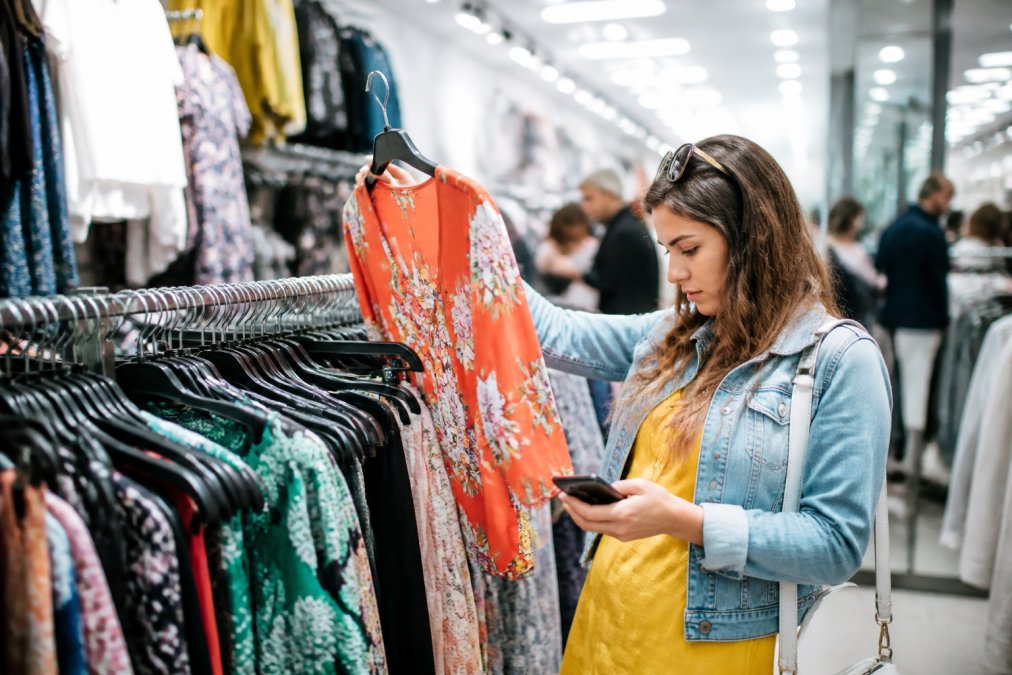
This isn't just about fashion moving fast. It's about the entire system, from manufacturing to fulfillment operations, being redesigned around speed. The result is a retail environment where fashion inventory can shift from "in stock" to "sold out" to "marked down" within days.
Seasonality and Trend Cycles
Seasonality has always shaped fashion inventory, but it no longer works in neat four-season blocks. Retailers now plan micro-seasons: pre-spring, holiday-adjacent, back-to-school, and dozens of other purchase-occasion windows that drive targeted inventory pushes. Each cycle creates a wave of new arrivals followed by a markdown period as the season closes.
The challenge for inventory managers is that consumer behavior doesn't always follow the calendar. A warm October can stall fall inventory. A cold April can extend winter clearance. These non-stationary demand patterns make replenishment planning genuinely difficult, and they're a primary reason why overstock and markdowns are so common in fashion retail.
For shoppers, this seasonality creates opportunity. End-of-season clearance is when the best deals appear, and understanding the retail calendar helps you anticipate when prices will drop.
The Micro-Trend Phenomenon
Micro-trends are short-lived style movements, often originating on social media, that spike in consumer demand and then fade within weeks or months. Unlike macro-trends that define a season, micro-trends can emerge and collapse faster than a retailer can complete a production run.
This creates a specific inventory problem: by the time a fast fashion retailer has manufactured and shipped a product inspired by a micro-trend, the trend may already be fading. The result is either stockouts during peak demand or overstock after the trend dies. Neither outcome is good for profitability.
The micro-trend phenomenon has fundamentally changed how fashion inventory is managed. Retailers who can move from concept to fulfillment in weeks, rather than months, have a real competitive advantage. Those who can't are left holding inventory that's already out of cycle.
Demand Forecasting and the Challenge of Non-Stationary Demand
Demand forecasting is the practice of predicting future consumer demand to optimize inventory levels, and it's where fashion retail gets genuinely hard. Most forecasting models are built on historical data: if a product sold well last spring, it should sell well this spring. Fashion breaks that assumption constantly.
Non-stationary demand means that past sales patterns are a poor predictor of future ones. A color that was dominant last year may be overshadowed by a completely different palette this year. A silhouette that drove high inventory turnover in one season may stagnate the next. According to the National Retail Federation's retail operations resources, inventory accuracy and demand planning are consistently ranked among the top operational challenges for fashion retailers.
This is where data-driven decision making becomes essential. Retailers that rely solely on historical sales data will consistently over-order products that are fading and under-order products that are emerging. The better approach combines historical data with real-time signals: search trends, social media engagement, early sell-through rates, and competitor pricing movements.
The practical implication for shoppers: when you see a fashion item you want, waiting for a better price carries real risk. If the item is tied to a current trend, inventory may not be replenished once it sells out.
| Challenge | Cause | Inventory Impact |
|---|---|---|
| Non-stationary demand | Trend cycles shift unpredictably | Overstock or stockouts |
| Micro-trend spikes | Social media virality | Rapid sell-through, no restock |
| Seasonality mismatches | Weather, calendar shifts | Markdown pressure |
| Long lead times | Overseas manufacturing | Late-arriving inventory |
| Returns and reverse logistics | High online return rates | Inventory accuracy issues |
Fast Fashion Inventory Management: How Retailers Keep Up
The gap between retailers who manage fashion inventory well and those who don't comes down to systems and speed. A common mistake is treating fashion inventory like general merchandise, applying standard reorder points and lead times that simply don't account for how fast trend cycles move. Retailers who do this end up reactive, always chasing demand rather than anticipating it.
Effective fast fashion inventory management requires a combination of technology, supplier relationships, and operational discipline. The goal is to reduce the time between identifying demand and having product available for purchase, what supply chain professionals call lead time compression.
AI, Predictive Analytics, and Automated Replenishment
AI and predictive analytics have changed what's possible in fashion inventory management. Retailers now use machine learning models that process real-time data from multiple sources: point-of-sale systems, web traffic, social media signals, and even weather forecasts. These models generate replenishment recommendations that would be impossible to produce manually at scale.
Automated replenishment takes this a step further. When a product's inventory level drops below a threshold, the system triggers a reorder automatically, without waiting for a human to notice the gap. For high-velocity fashion items, this can mean the difference between maintaining availability and experiencing a stockout during peak demand.
As documented in MIT's supply chain management research, predictive analytics in retail supply chains can meaningfully reduce both overstock and stockout rates when models are trained on category-specific data rather than generic retail patterns. Fashion, with its high volatility, benefits disproportionately from this kind of tailored modeling.
The caveat: AI is only as good as the data it's trained on. Retailers with fragmented order management systems or poor inventory accuracy will find that predictive models amplify their existing problems rather than solving them.
Overstock, Markdowns, and Reverse Logistics
Overstock is the silent margin killer in fashion retail. When inventory doesn't sell at full price, retailers face a cascade of decisions: markdown the product, push it through liquidation channels, or hold it and hope for a second sales window. None of these options are good for profitability.
Markdowns are the most common response. A retailer might start with a modest price reduction and deepen the discount over time until the product clears. This is why end-of-season sales tend to get better as they progress, the retailer is increasingly motivated to move inventory aging on its shelves.
Reverse logistics, the process of handling returns and getting products back into sellable condition, adds another layer of complexity. Online fashion has high return rates because customers can't try items on before purchasing. A returned item must be inspected, reprocessed, and either restocked or redirected to a clearance or liquidation channel. This process takes time and costs money, and it directly affects inventory accuracy. According to the Reverse Logistics Association's industry resources, fashion and apparel consistently rank among the highest-return categories in online retail.
For discount shoppers, this is actually good news. The overstock and returns pipeline is what feeds discount retailers with quality products at reduced prices.
Scarcity Marketing and Consumer Behavior
Here's where inventory management intersects with psychology. Scarcity marketing is the deliberate use of limited availability signals to accelerate purchase decisions. "Only 3 left in stock." "This deal ends in 2 hours." These messages aren't always organic, they're sometimes engineered to create urgency.
Scarcity marketing works because of a well-documented psychological principle: people assign higher value to things that are rare or disappearing. When consumers believe an item might not be available tomorrow, they're more likely to buy today. This drives inventory turnover, which is exactly what fashion retailers want.
The tension for shoppers is real. Sometimes the scarcity is genuine, a trend-driven item that won't be restocked. Other times, it's a marketing tactic applied to inventory that's actually plentiful. Learning to distinguish between the two takes experience.
A practical rule: if an item has been "almost sold out" for weeks, the urgency is probably manufactured. If it's a clearly seasonal or trend-specific product and the size range is thinning, the scarcity is likely real. Genuine stockouts in fashion happen fast, and they rarely reverse.
Are Online Discount Sites Safe to Shop?
Online discount sites are generally safe to shop, provided you use established platforms with transparent policies and verifiable contact information. The real risks are counterfeit products, hidden fees, and poor return policies, not the discount pricing itself.

The discount pricing on legitimate sites comes from real sources: overstock from retailers, end-of-season clearance, and returns processing. These are genuine products at genuine discounts, not knockoffs. The key is knowing what to look for before you buy.
Signs a discount site is legitimate:
- Clear return and exchange policy with specific timeframes
- Verifiable physical address and customer service contact
- Secure checkout (HTTPS, recognizable payment processors)
- Transparent product descriptions that don't over-promise
- Consistent inventory that reflects a real sourcing operation
The concern about authenticity is understandable, especially if you've been burned by low-quality purchases before. The best protection is shopping with sites that have a real return policy and stand behind their products. A site that makes returns difficult or impossible is a red flag regardless of the price.
How to Shop Smart When Fashion Inventory Moves This Fast
The speed of fashion inventory works in your favor if you know how to use it. Here's a practical approach to getting the best deals without getting caught out by stockouts or trend misses.
1. Shop early in the markdown cycle. The best selection exists at the beginning of a clearance event, not the end. Prices may be slightly higher early, but size and style availability is much better.
2. Use wishlist or save features. Many online retailers let you save items and notify you of price drops. This is the most efficient way to track inventory without checking manually.
3. Understand the replenishment reality. Fashion items, especially trend-driven ones, often aren't restocked once they sell out. If you're on the fence about a purchase, check whether the item is a core style (likely to return) or a trend piece (probably not).
4. Buy seasonally ahead. Purchasing late-season inventory at clearance prices for next year is a legitimate strategy. End-of-summer sandals bought in September will be just as wearable next June.
5. Check return policies before you buy. This is non-negotiable for online fashion. A good return policy turns a risky purchase into a low-stakes trial. If a site doesn't have one, walk away.
6. Watch for omnichannel inventory signals. Some retailers show real-time stock levels. If an item is available online but not in stores, or vice versa, that's useful information about where the inventory actually sits.
Bargain Warriors LLC sources its inventory from legitimate overstock and clearance channels, which is why the pricing reflects real discounts rather than artificially inflated "original" prices. The selection changes because that's how discount retail works, new inventory comes in as overstock opportunities arise, and popular items sell through quickly.
Frequently Asked Questions
How often do online clothing stores update their inventory?
Most fast fashion retailers refresh their online inventory weekly, and some update daily. Social media-driven micro-trends can trigger near-instant restocks or clearances. Discount sites often receive new shipments in irregular cycles tied to overstock liquidation from larger retailers, so availability can shift within days. Checking back frequently or signing up for email alerts is the most reliable way to catch restocked items before they sell out again.
What happens to unsold inventory in the fast fashion industry?
Unsold fashion inventory typically goes through a markdown cycle first, with prices cut progressively to move stock. Items that still don't sell get liquidated through discount retailers, outlet channels, or third-party resellers. Some merchandise is donated or recycled, though a portion ends up in landfills. Discount sites like Bargain Warriors LLC source a significant share of their selection directly from this liquidation pipeline, which is why prices can be so much lower than original retail.
Why is it harder to find staple items in online fashion stores today?
Fast fashion inventory management now prioritizes trend-driven stock keeping units over basics because trend items generate higher margins and faster turnover. Retailers allocate more shelf space and digital real estate to new arrivals, pushing staples into smaller assortments. Omnichannel demand across physical and online channels also depletes shared inventory faster. If a staple item disappears from a site, checking discount retailers is often the quickest way to find it at a lower price.
Are online discount sites safe for buying fashion and accessories?
Reputable online discount sites are safe when they operate transparently: clear return policies, secure checkout, and verifiable contact information are the baseline. Look for sites that disclose where their inventory comes from and offer straightforward refund or exchange options. Concerns about authenticity are valid, so reading the return policy before purchasing protects you if an item doesn't match its description. Bargain Warriors LLC lists its policies openly so shoppers know exactly what to expect before checkout.
Fashion inventory moves fast because the entire system, from consumer demand to supply chain to fulfillment operations, has been rebuilt around speed. That creates real opportunities for shoppers who understand the rhythm. Bargain Warriors LLC is built around exactly this reality: sourcing quality overstock and clearance inventory so you get genuine value without the full retail price tag. Browse the current selection at Bargain Warriors LLC and shop now before the inventory moves on.
This article was written using GrandRanker